Peeled Vintage Flowers Vol.2: A Designer's Guide to Texture
If you've ever wanted to inject a sense of history and tactile reality into your digital work, the search often ends with texture. Specifically, the kind of layered, authentic texture that Peeled Vintage Flowers Vol.2 delivers. This isn't just another set of digital papers; it's a carefully curated collection of 20 high-resolution backgrounds that combine the delicate beauty of faint floral patterns with the raw, honest character of old paper and chipped paint. For designers, crafters, and brand builders, this set is a toolkit for creating work that feels lived-in, meaningful, and undeniably authentic.
Visual Character and Immediate Appeal
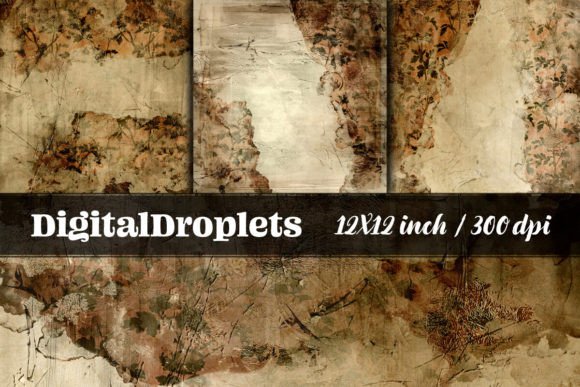
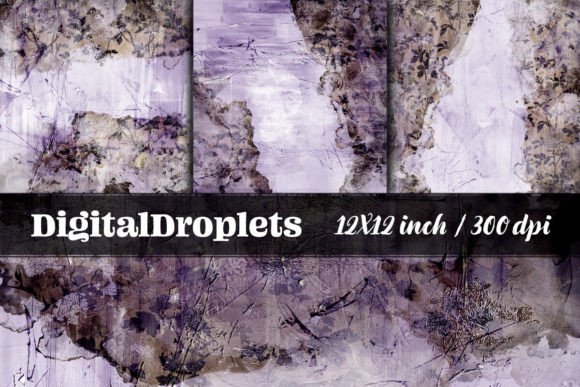
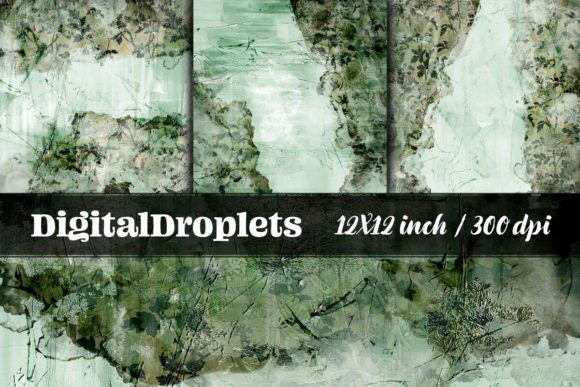
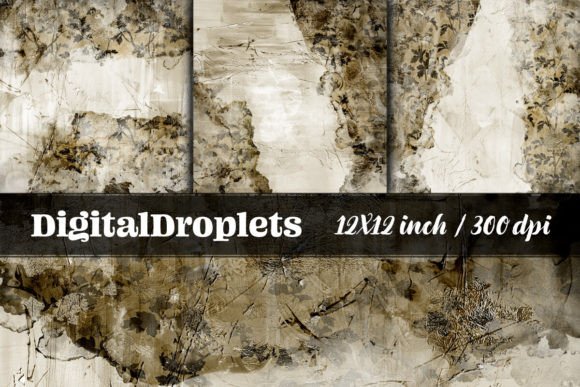
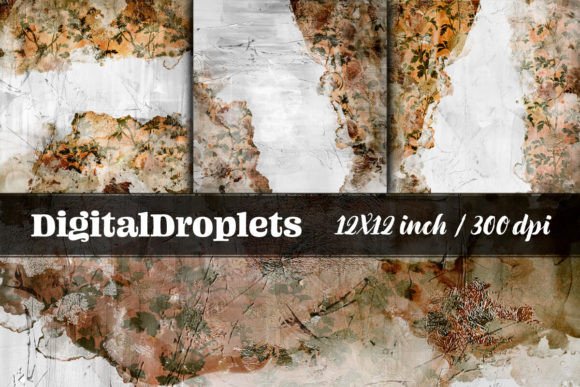
The first thing you notice about the Peeled Vintage Flowers Vol.2 collection is its sophisticated subtlety. The floral motifs aren't loud or overpowering; they're faint whispers, almost like ghost prints left behind on aged parchment. This underlying paper texture is rich with history—think subtle stains, fiber variations, and the soft yellowing of time. Overlaid upon this is the defining feature: the peeled paint effect. It’s not a generic scratch filter. It’s a nuanced, realistic portrayal of paint flaking away to reveal the layers beneath, creating a beautiful, unintentional collage of old and older.
This combination gives the papers a unique personality. They feel both feminine and industrial, delicate yet resilient. The color palette is naturally muted and cohesive, making it incredibly easy to integrate into existing design systems. Whether you're building a brand identity for a boutique soap company, designing a wedding invitation suite, or creating a scrapbook page for a cherished memory, these papers provide a foundation that tells a story before you even add your own content.
Practical Applications Across Creative Projects
The true strength of a design asset like Peeled Vintage Flowers Vol.2 lies in its versatility. As a set of 12x12, 300dpi JPEGs, they are print-ready and perfect for a vast array of applications. Let's break down where they truly shine.
- For Branding and Marketing: In an era of sterile digital perfection, texture builds trust and emotional connection. Use these papers as backgrounds for social media graphics to add depth and stop the scroll. They are exceptional for creating unique business cards, letterheads, and packaging design that feels premium and artisanal. A brand identity built on these textures immediately communicates craftsmanship, nostalgia, and attention to detail.
- For Editorial and Publishing Design: In book design, magazine layouts, or blog headers, texture guides the reader's eye and sets the tone. These papers can serve as chapter title backgrounds, page borders, or full-bleed sections that break up dense content. They work beautifully in junk journals and scrapbooking, providing a perfect, non-distracting canvas for photos and ephemera.
- For Digital and Web Design: While modern typography often leans clean, a touch of texture can elevate a website from functional to memorable. Use these as subtle background images for hero sections, footer areas, or to frame call-to-action buttons. They are also ideal for creating standout PDF lead magnets, e-book covers, or online course materials that feel valuable and substantial.
- For Personal Craft and Decor: The possibilities are endless for hobbyists. Print them to create custom washi tape, gift wrap, tags, envelopes, and planner stickers. Frame them as standalone wall art or use them as a base for mixed-media collages. They are a perfect match for die-cut shapes, adding instant vintage charm to any project.
Guidance for Effective Integration
Simply having a beautiful texture isn't enough; using it effectively is key. Here’s how to get the most out of your Peeled Vintage Flowers Vol.2 set.
Evaluating Fit and Readability: The inherent complexity of these backgrounds means you must prioritize legibility. They are best paired with clean, simple typefaces. A bold sans serif font for headlines or a classic, well-spaced serif font for body copy will contrast nicely, ensuring your message isn't lost in the texture. Always test your text over the paper at the final size to check for readability, especially with smaller point sizes.
Mastering Font Pairing: Think of these papers as a partner, not the star. Let the texture support your typography. A delicate script font might get lost, but a confident, modern sans serif will pop. For a cohesive vintage feel, consider a sturdy serif font with good contrast. The goal is hierarchy: the texture sets the mood, and the type delivers the information clearly.
Leveraging for Brand Consistency: If you adopt one of these papers as part of a brand's visual language, use it consistently. Apply it to your social media templates, your email newsletter headers, and your product labels. This repetition builds recognition and reinforces the brand's story. The peeled paint effect, in particular, can symbolize a brand that values authenticity, reveals its layers over time, and isn't afraid of a little beautiful imperfection.
Understanding the Asset: This is a collection of digital papers, not a typeface. However, its role is equally critical in the design ecosystem. It functions as a core component of your design assets library. Remember, the collection includes other variations and freebies in the shop, allowing you to expand your toolkit while maintaining visual harmony.
In the end, Peeled Vintage Flowers Vol.2 is more than a product; it's a solution for designers and creators seeking to bridge the gap between the digital and the tangible. It provides the "why" behind a design—the mood, the history, the feel—so that your "what"—the message, the content, the call to action—lands with greater impact and resonance.